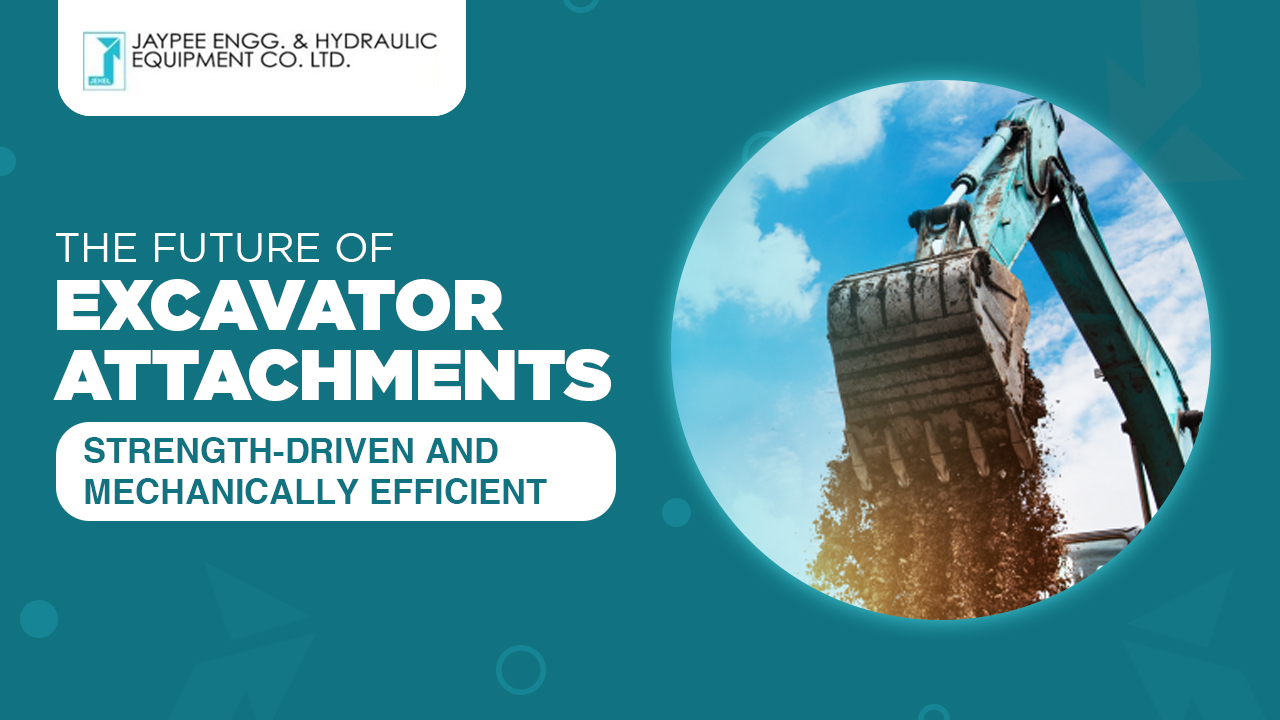
Excavator attachments have always been essential to material handling, demolition, mining, and construction operations. The system used to depend on three main components, which included strong steel structures, robust hydraulic systems, and accurate mechanical engineering designs. The current work environment requires attachments that can cope with hazardous situations while performing their functions during extended periods and handling heavy loads.
Increased project size and difficulty level lead to renewed interest in essential elements, which include reliable mechanical systems, durable equipment, and effective material handling methods. Excavator attachments are being designed to perform consistently through improved structure, better load distribution, and optimized hydraulic response rather than reliance on complex digital systems.
The future of excavator attachments depends on three factors, which include advanced mechanical design and specialized engineering for specific applications,s and trustworthy on-site performance.
Key Trends Shaping the Future of Excavator Attachments
The next generation of excavator attachments is not driven by software or data systems, but they create new opportunities through the development of mechanical design, metalworking, and hydraulic system efficiency improvements. Each development focuses on increasing productivity while reducing wear and downtime.
The following list includes the main mechanical trends that determine how attachments will perform their functions.
1. Stronger Structural Design for Heavy Material Handling
Modern excavator attachments use reinforced steel structures to provide protection against high-impact forces and heavy material loads. Improved welding techniques, better steel grades, and optimized geometry allow attachments to absorb stress without deformation.
The hydraulic rock breaker machine needs structural strength to protect its housing and internal components from damage during repeated impact testing. This improves attachment life and maintains stable performance even in demanding conditions.
The design of attachments has evolved from basic tools into mechanical systems that can bear loads and function continuously.
2. Hydraulic Efficiency Driving Performance
Excavator attachments depend on hydraulic systems as their primary operational foundation. The new valve design, together with the improved oil flow paths and the exact pressure management system, enables attachments to maintain constant force output while using less energy.
The efficient hydraulic systems of the system provide two benefits, which include improved operational performance, decreased thermal output, and diminished stress on both the equipment and the excavator. This direct relationship increases operational efficiency while extending the lifespan of equipment.
Hydraulic efficiency serves as the essential focus for mechanical advancements that all Excavator Manufacturers pursue.
3. Application-Specific Mechanical Design
Attachments are increasingly designed for specific material handling tasks rather than generic use. Mechanical customization based on application ensures better results and less wear.
For example:
- Rock breakers for mining are built with higher impact energy and reinforced housings
- Demolition attachments focus on controlled force and precision
- Material handling grapples are designed for balanced load distribution
This mechanical specialization allows operators to match the attachment precisely to the job.
4. Improved Wear Protection and Component Life
Excavation work requires operational equipment that will experience wear, but engineers can design better machines to reduce wear rates. The system uses replaceable wear parts together with hardened surfaces and reinforced contact points to safeguard its vital components.
The hydraulic rock breaker machine enables quick replacement of its chisels, bushings, and tool retainers, which helps to decrease both downtime and maintenance expenses. The system uses mechanical protection to maintain dependable performance during extended operational periods.
5. Maintenance-Friendly Mechanical Systems
The current design of modern attachments uses inspection and maintenance systems instead of predictive systems. The design of the equipment uses basic mechanical structures together with visible grease access points and detachable parts, which enable technicians to conduct maintenance procedures with greater efficiency.
The process of routine maintenance becomes quicker, safer, and more affordable because mechanical systems allow users to comprehend their functions and carry out maintenance tasks at their location.
6. Safety Through Mechanical Stability
The safety of excavation work relies on two factors, which include mechanical stability and the ability to predict equipment behavior. The installation of attachments that distribute weight evenly and permit operators to apply force in a controlled manner results in decreased chances of unexpected movement and equipment overload.
The stable performance of attachments enables operators to maintain control of operations during loading, breaking, and material handling activities. The dependable operation of equipment functions as a critical factor that enhances safety conditions at work sites.
7. Compatibility with Excavator Fleets
The attachments maintain design functionality to operate with all excavator models and sizes. The system allows attachments to function properly because mechanical connections establish proper compatibility between attachments and carrier equipment.
The standardized mounting systems, together with hydraulic connections, enable operators to use attachments throughout their entire fleet without needing any adjustments.
8. Mechanical Customization Based on Working Conditions
The equipment for attachments needs to be modified based on the actual operating environment, which includes rock hardness, soil type, and demolition needs.
The hydraulic rock breaker machine needs different internal settings and tool designs for its quarrying operations compared to its urban demolition work. The process of mechanical customization enables equipment to function at its best while reducing unnecessary damage to the machinery.
Conclusion
The development of excavator attachments continues to progress through three main factors, which include mechanical strength, hydraulic efficiency, and engineering for specific applications. The proper operation of material handling systems requires attachments that maintain their functionality under extreme conditions.
Construction companies, mining operations, and demolition businesses need to invest in durable attachments that help them sustain their work output while decreasing equipment downtime. Equipment designs for the future must focus on three essential qualities, which include strength and durability, and maintenance simplicity.
The JEHEL company designs excavator attachment solutions that provide mechanical reliability, structural strength, and long-lasting performance. Our attachments have been designed to tackle actual construction site problems that need to be solved with complete assurance.