If you have ever been to a busy timber yard, you know how fast log handling issues can snowball. Logs are delivered in bulk, they are not uniform in shape, and they are so heavy that using the wrong attachment will slow down an entire shift. You would think moving timber from A to B would be easy. However, in most cases, it is not.
When the gripping and positioning phase is sluggish, every downstream operation feels it. Mill feed operation rates decrease, sortation queues back up, and crews have to work harder to keep up with the schedule developed for them. You may not be able to see the associated costs right away, but over the course of a month of running reports, you’re likely to find the inefficiencies present.
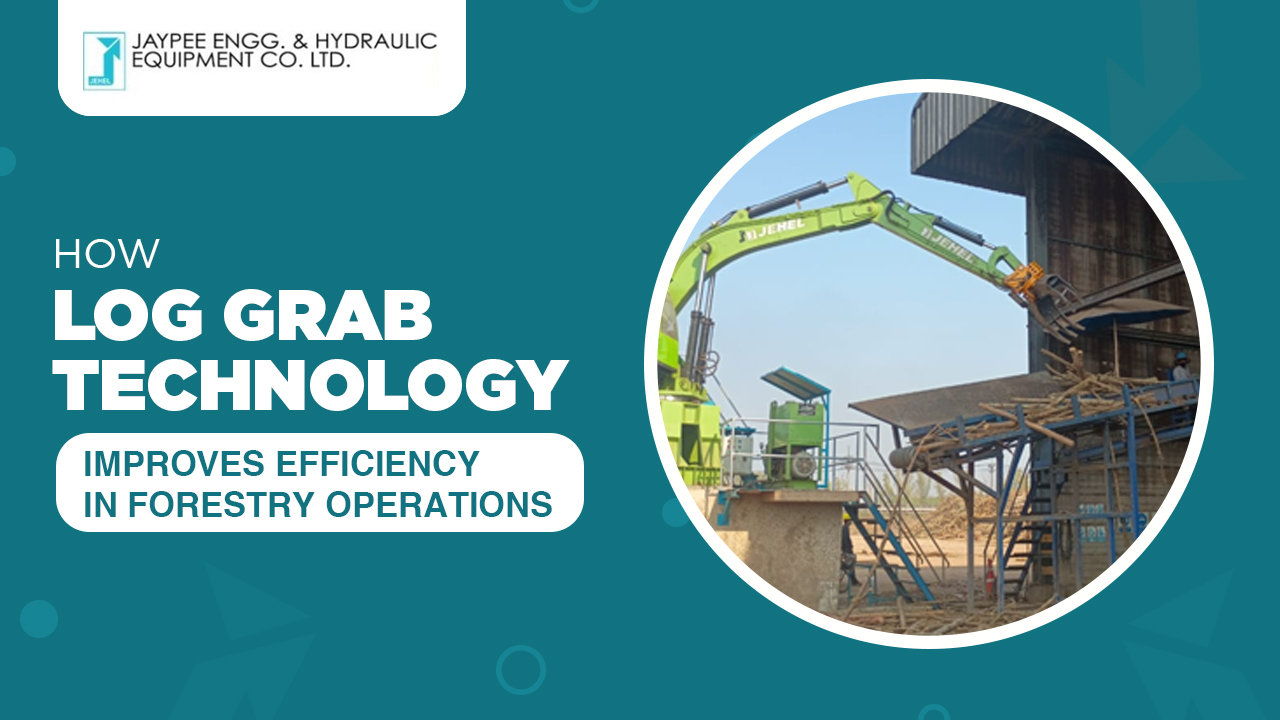
This is when the hydraulic log grab shines. It is an attached tool specifically designed for excavators or material handlers so that timber can be gripped, rotated and moved on-site all in one go, eliminating the need for most manual preparation steps used by older systems. Below, we will discuss what makes this product work and its benefits to those using this attachment.
The Problem With Traditional Timber Handling
Cable rigging and chain slings have been used in the past for many applications, and they do work in some cases; however, they were not designed to accommodate raw timber. The core issue with lifting logs is that they shift, roll under load, and bear weight unevenly. Any method of lifting that utilises a fixed point of contact has an element of risk, and any lifting method that has to be manually adjusted between lifts will cause delays.
Delays can increase rapidly when dealing with a large-volume yard. When you consider that every lift takes an additional minute and combine that with hundreds of picks per shift, the cumulative effect is several hours of lost productivity. Add in occasional dropped loads and repositioning requirements, and the productivity loss becomes impossible to ignore.
What Changes With a Hydraulic Log Grab
The hydraulic log grab secures the load through opposing curved tines that conform to the size and shape of each log, regardless of diameter. Hydraulic pressure is uniformly applied across all contact points, which gives the operator an equal grip on the log, whether it be small-diameter pulpwood or a large industrial timber piece.
This allows the operator to pick up the load, swing it into position, and release it. All of this can happen in one fluid movement, with no manual rigging, secondary adjustment, or guesswork required. This consistency over an entire shift equates to a significant increase in volume processed.
Getting the Specification Right
Not all log grabs perform equally, and a large part of that comes down to how they are matched to the host machine’s hydraulic output. If your grab uses more hydraulic flow than your excavator generates, it will cycle slower and add extra stress on the pump and control valves. An undersized grab will not provide a reliable grip when handling heavy loads of timber.
A proper specification considers operating pressure range, average load weight, and the range of log diameters the yard typically handles in a normal shift. Those yards that move both lightweight pulpwood and heavy sawlogs in the same environment need a grab that is designed for that range of loads without compromise.
Why Build Quality Matters in Heavy Cycles
A log grab that runs either two shifts per day or three shifts per day will be subjected to high amounts of mechanical stress. The pivot pins, tine welds and cylinder mounts will all receive repeated impacts as logs are dropped into the grab and shifted while being transferred. Equipment built with inferior materials or poorly reinforced stress points will need repairs far sooner than its rated service life would suggest.
Heavy-duty forestry log grab attachments include high-tensile steel within the tine assembly and strong pivot structures with replaceable wear liners. These are not excessive design choices. They are a direct response to the real fatigue conditions these attachments face across daily high-cycle operations.
What the Data Says
Around 61% of logging operations now use advanced machinery, and those that have made the shift are seeing roughly a 29% increase in productivity compared to manual methods Archive Market Research, Source: Global Growth Insights, 2025). Mechanised logging adoption has also improved labour efficiency by approximately 30% across operations that have transitioned away from manual handling (Source: Market Growth Reports, 2025).
These figures align with what experienced plant managers consistently report in the field. Faster and more reliable gripping and transferring processes lead to rippling benefits throughout the entire operational cycle.
Conclusion
At its core, timber handling is a grip issue. When the attachment is properly matched to the load, cycle demands, and host machine, the whole operation runs smoothly from there. While this concept is simple, it requires more than simply buying a grab off the shelf in order to get it right.
For yards managing large timber volumes over extended periods, long-term costs are shaped by equipment reliability and unplanned downtime. These are not isolated problems. They pull labour away from productive work and push maintenance budgets beyond what operations can sustainably absorb.
JEHEL designs & builds hydraulic equipment specifically for demanding industrial applications, including heavy-duty forestry log grab systems built for high-cycle applications. JEHEL has the engineering capabilities to support both standard and custom-designed requirements based on a site’s specific needs.